Article Contents
Paint overspray can turn your car's smooth clearcoat into sandpaper. Whether you parked near a building site or someone was spray-painting railings nearby, overspray needs careful, targeted removal.
At HEX Detailing Garage in Trikala, we deal with cases like this often. Let's look at how each situation is handled.
- The removal method depends on the material: construction paint, oil-based paint, or automotive clearcoat.
- The right order is washing, chemical decontamination, clay, and finally polishing.
- Acetone, thinner and abrasive sponges burn the clearcoat, don't use them.
- After removal the paint is left bare, the ideal moment for ceramic coating.
1. Separating and Treating by Type
The removal method depends directly on what the material is that has landed on the vehicle:
Water-Based & Plastic Paints (Construction): The easiest case. Usually removed with specialized cleaners (APC), warm water, and a fine clay bar.
Oil-Based Paints & Enamels: Particularly stubborn. These need safe chemical solvents (tar & glue removers) to soften them first, followed by a medium or aggressive-grade clay.
Automotive Clearcoat & 2K Paints: The hardest case. If the paint has fully cured on the bodywork, removal calls for aggressive clay, strong chemical solvents, or even localised wet sanding before the final polish.
2. Steps for Safe Removal
The process has to happen gradually, so the factory paint isn't permanently damaged:
Thorough Wash: Removing surface contamination.
Chemical Decontamination: Using specialized solvents that break the paint's bond to the clearcoat without "burning" it.
Mechanical Decontamination: Using detailing clay with plenty of lubricant to lift the droplets off.
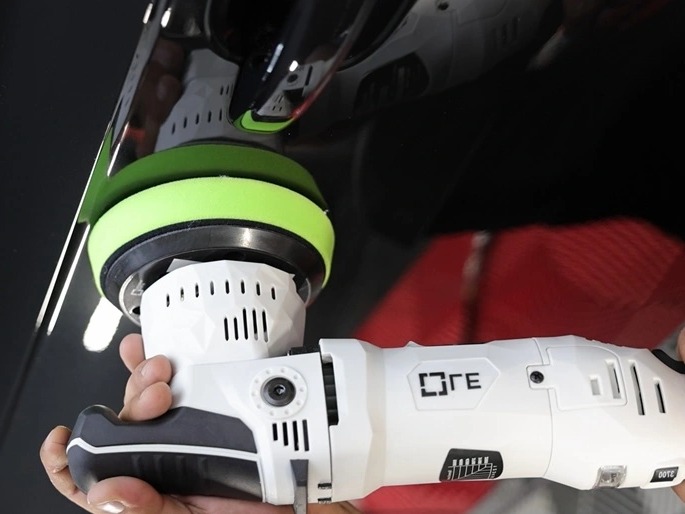
Paint Correction (Polishing): Clay always leaves fine marring behind. Polishing is essential to bring the gloss back.
3. The Risk of DIY Solutions
Many people try to remove overspray with acetone, thinner, or even abrasive sponges. This almost always ends in the clearcoat "burning," trim fading, and seals being damaged. Chemical products should only be handled by professionals, in a controlled way.
4. Protection After the Job
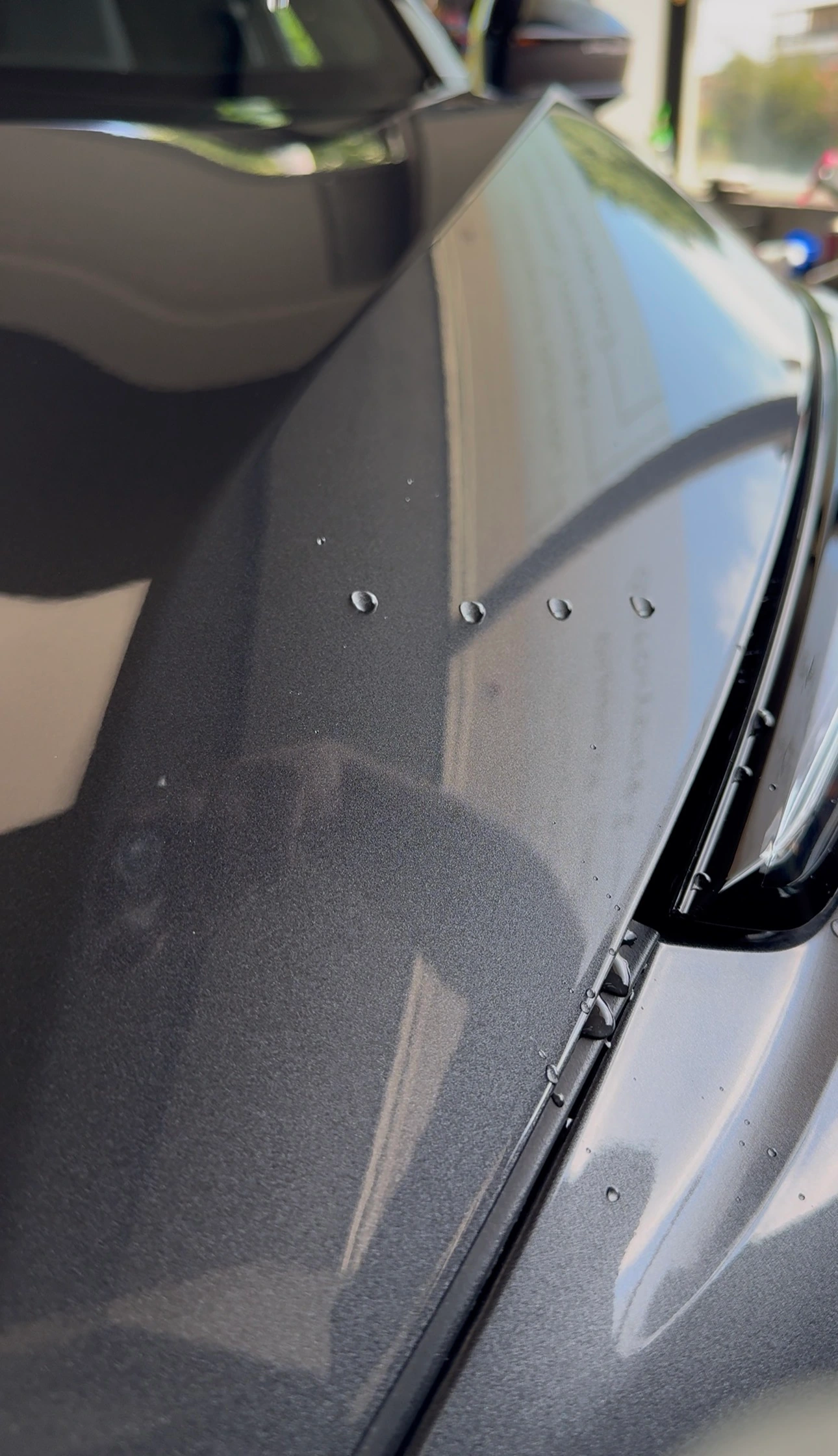
Once the paint has been cleaned and polished, it's left completely bare. It's the ideal moment to apply a ceramic coating, so any future overspray or contamination can't bond to the clearcoat's pores again.
Got paint overspray on your car? Ask us before trying to fix it yourself.